
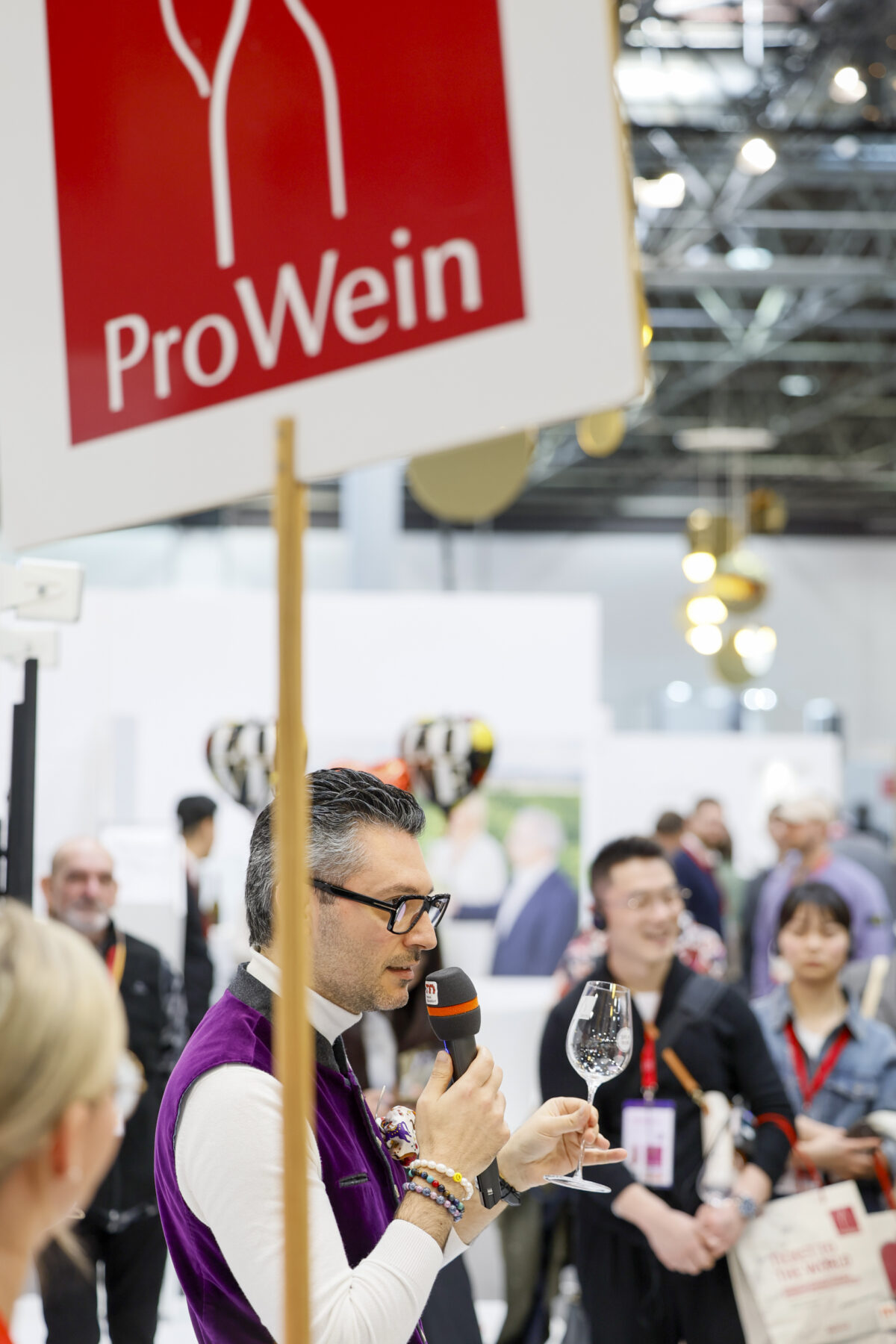
This year’s ProWein 2024 event was a resounding success, marked by the third consecutive edition of our CHAMPAGNE FOR FUTURE event, now established as a highlight of the premier wine and spirits trade fair. Welcoming 40 international journalists and content creators, with a notable focus from Asia, the tour featured participation from 9 esteemed wine growers and champagne houses: Champagne Collard-Picard, Champagne Ployez-Jacquemart, Champagne Michel Mailliard, Champagne Gallimard, Champagne Aspasie, Champagne Cattier, Champagne Vincent D´Astree, Champagne Pascal Lallement, and Champagne Drappier.
In today’s era, where environmental consciousness is paramount, the Champagne region isn’t merely toasting with a glass but also setting a new standard for sustainability in the wine industry. Beyond its globally renowned sparkling wines, this historic French region is leading the charge in environmental stewardship. Prioritizing biodiversity, reducing carbon footprints, and promoting social responsibility are key pillars driving Champagne producers towards a greener future.
Biodiversity is at the forefront of Champagne’s sustainability agenda. Producers recognize the vital connection between healthy ecosystems and exceptional wines. Through embracing organic and biodynamic viticulture practices, nurturing the soil, minimizing chemical interventions, and fostering biodiversity, the region aims to protect its unique terroir and the diverse flora and fauna it hosts.
Acknowledging the environmental impact of winemaking, Champagne houses are actively pursuing initiatives to shrink their carbon footprints. This includes adopting energy-efficient technologies, investing in renewable energy sources like solar and biomass, and innovating in packaging and transportation, all underlining Champagne’s commitment to sustainability.
Moreover, the Champagne industry is dedicated to fostering social responsibility across its supply chain. By championing fair labor practices, supporting local communities, and prioritizing ethical sourcing, producers aim to not only produce exceptional wines but also enrich the lives of those involved in their creation.
Looking ahead, collaboration and innovation will be crucial as the Champagne region charts its course towards sustainability. By sharing knowledge, embracing technological advancements, and engaging stakeholders, the industry can overcome challenges and pave the way for a more sustainable and prosperous future, not only for the wine industry but beyond.
In conclusion, the Champagne region’s dedication to sustainability exemplifies its unwavering commitment to excellence. By balancing tradition with innovation and luxury with responsibility, Champagne producers are setting a shining example for others to follow. As we raise our glasses to toast a brighter future, let’s salute Champagne – a symbol of elegance, celebration, and sustainable success.